
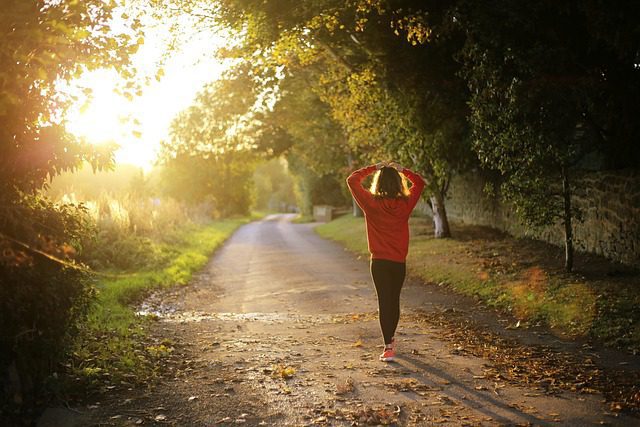
Ah, sweater weather and pumpkin spice season. After the (somewhat) oppressive heat of the summer months, this time of year can feel like a welcome change for our physical and mental health. Yet, as much as we love the fall season, for those that suffer from Pre-menstrual Dysphoric Disorder (PMDD), the fall can wreak havoc on our symptoms.
If you’re following this website and blog, you’re familiar with PMDD, a severe PMS related disorder affecting up to 8% of menstruators. Mental health related symptoms include intense mood swings, irritation, depression, rage, anxiety, despair, interpersonal conflict, and suicidal ideation in the luteal phase of one’s cycle.
Why Do I Feel Worse This Time of Year?
Natural cycles and rhythms impact our bodies. Some women, for example, notice their hormonal related symptoms more intense around a full moon. Light, temperature, and environmental rhythms affect our hormone regulation, mood, and sleep patterns, and for those of us that are already more sensitive to these shifts, will feel it more acutely, particularly in these four ways:
1. Less Sunlight Makes Our Moods More Disturbed
These shorter days mean less sunlight, which can lead to a drop in serotonin, a brain chemical that helps regulate mood. PMDD is already associated with low serotonin levels, so seasonal drops can make emotional symptoms feel worse.
People with PMDD may notice:
- Increased irritability or anger
- More intense feelings of hopelessness or depression
- Heightened anxiety or panic
- Greater emotional sensitivity
This effect can be especially pronounced for those who also experience Seasonal Affective Disorder (SAD), which often overlaps with PMDD.
2. Circadian Rhythm Disruptions
Light exposure helps regulate your circadian rhythm (your internal clock), which affects sleep, hormone production, and energy levels. In fall and winter, this rhythm can become disrupted — and since PMDD is closely linked to hormone sensitivity, any disruption in sleep and biological rhythms can amplify symptoms.
3. Colder Weather, Less Movement
No doubt about it – we’re more active in the summer months, both socially and exercise wise. Once September’s “back to school mentality” hits, we’re spending more time inside, and less time moving overall. Physical activity and social support are protective factors, and without them, symptoms can feel even more isolating and intense.
4. Nutrient Deficiencies
Vitamin D levels tend to drop in the winter due to decreased sun exposure. Vitamin D plays a role in mood regulation and hormonal balance. Some research suggests low vitamin D may exacerbate PMDD symptoms — though more studies are needed to fully understand the link. As a note, before adding any vitamins to your diet, please consult with your doctor.
How to Support Yourself
It helps this time of year to be on high alert for changes in our PMDD-related symptoms. Being ready for a worse than usual cycle can help prepare you both mentally and physically. We always suggest prioritizing rest and calm during the seasonal transitions, while still maintaining exercise and social support. Consistency is key for PMDDers – regular exercise, a well-balanced diet, and self care.
If you are someone struggling with your PMDD symptoms, there is support available. Impart Therapy specializes in PMDD related therapy, and we offer a monthly Zoom Group program to help those who suffer. Please contact us for more details.